Medical Cannabis

UCSF Continuing Medical Education


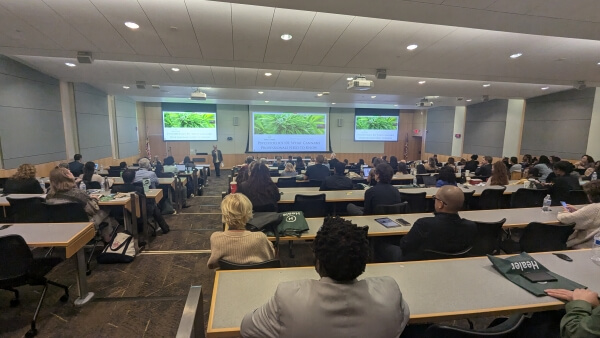
On the afternoons of October 24th and 25th, 2012, UCSF and the Canadian Consortium for the Investigation of Cannabinoids, in collaboration with the Society of Cannabis Clinicians, will present Continuing Medical Education (CME) courses in San Francisco and Santa Monica. This is a first, and we sense the day is coming when the study of the endocannabinoid system will be part of standard medical school curriculum.  

Medical Marijuana And The Body’s Cannabinoid System


A love of discovery made Daniele Piomelli a spokesman for medicinal use of cannabis. “The study of the body’s cannabinoid system is relatively young, scientifically speaking, but it’s presenting promising opportunities for drug discovery,” Daniele Piomelli says. “I feel we’re on the forefront of a new frontier.”  

Multiple Sclerosis and Extract of Cannabis


From the July 12, 2012 Journal of Neurology, Neurosurgery, & Psychiatry, this research paper published online prior to print reports the results of the Multiple Sclerosis and Extract of Cannabis (MUSEC) study that aimed to substantiate the patient based findings of previous studies. Abstract only.  

CBD And Schizophrenia


This recent article in the March, 2012 issue of Translational Psychiatry reports on a double-blind, randomized clinical trial of cannabidiol vs amisulpride, a potent antipsychotic, in acute schizophrenia to evaluate the clinical relevance of initial findings. Either treatment was safe and led to significant clinical improvement, but cannabidiol displayed a markedly superior side effect profile.  

Discovery of Chemical Pathway Cannabis Sativa Uses to Create Cannabinoids


University of Saskatchewan researchers have discovered a cannabis ‘pharma factory’, never before seen in plants. “What cannabis has done is take a rare fatty acid with a simple, six-carbon chain and use it as a building block to make something chemically complex and pharmacologically active.”  

CBD & Chemotherapy Induced Neuropathy

Taxol is a common chemotherapy agent that is a mitotic inhibitor. It is used to treat patients with lung, ovarian, breast, head & neck cancer and advanced forms of Kaposi’s sarcoma. One of the painful side effects of this agent is neuropathy, a side effect that can limit the effective use of the drug. This article shows promise in using CBD to help prevent the neuropathy caused by Taxol.  

Harm Reduction

Neuropathic pain affects between 5% and 10% of the US population and can be refractory to treatment. Opioids may be recommended as a second-line pharmacotherapy but have risks including overdose and death. Cannabis has been shown to be effective for treating nerve pain without the risk of fatal poisoning. The author suggests that physicians who treat neuropathic pain with opioids should evaluate their patients for a trial of cannabis and prescribe it when appropriate prior to using opioids. This harm reduction strategy may reduce the morbidity and mortality rates associated with prescription pain medications.  

Tumors Regressing — Thanks to Cannabis?

Two case reports in the journal Children’s Nervous System by Mansoor Foroughi and colleagues at BC Children’s Hospital in Vancouver discuss the “possible role of Cannabis inhalation” in the spontaneous regression of brain tumors (pilocytic astrocytomas). The cases involve a girl who underwent surgery at age 11 and a girl who underwent surgery at 13. In each case a remnant of the tumor could not be removed.